Populism Explained: Core Ideas, History, and Societal Impact
The term populism frequently surfaces in political discourse, often sparking vigorous debate. At its heart, decoding populism involves understanding a political approach that positions itself as the authentic voice of the ordinary citizen, standing in stark contrast to what it defines as an out-of-touch or corrupt elite. For many, understanding the nuances of Populisme Betydning – the meaning of populism – is essential to grasp contemporary political landscapes. This article will delve into the core ideas, historical evolution, and profound societal impact of this influential political phenomenon.
Defining Populism: Unpacking Populisme Betydning
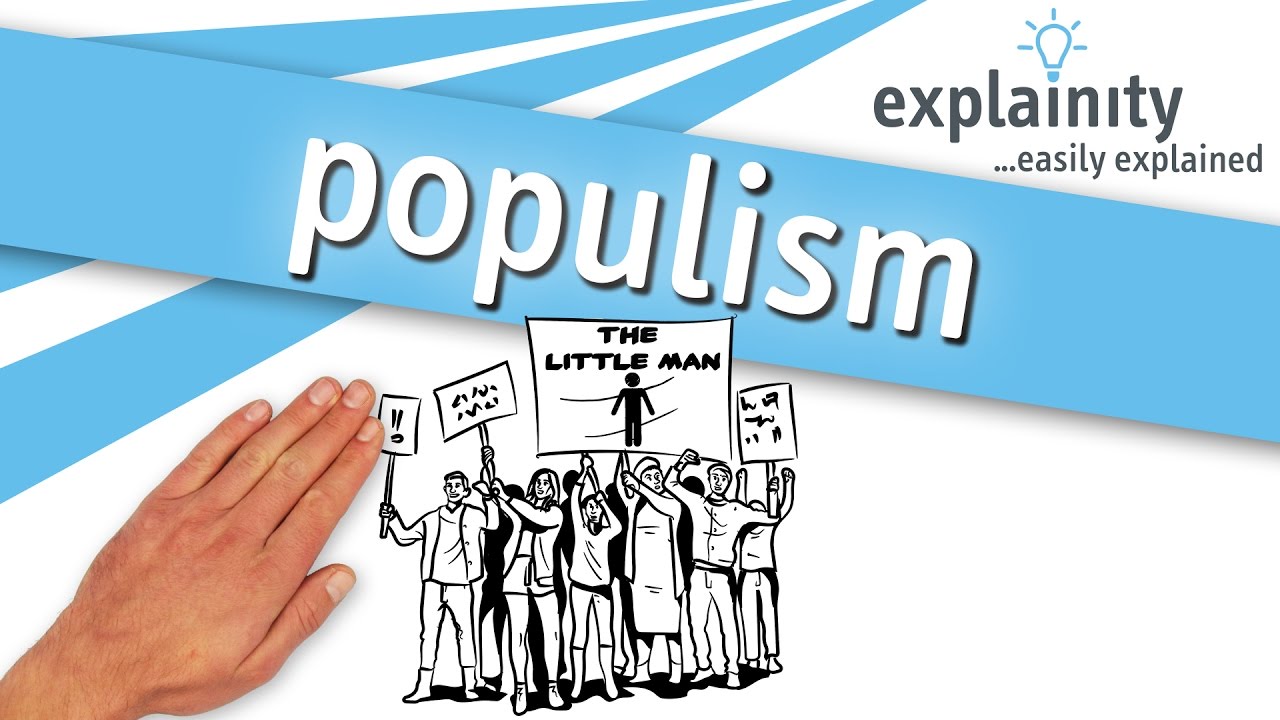
At its core, populism can be understood as a political ideology or movement that champions "the people" against "the elite." It's a strategy where political actors aim to gain and maintain power by appealing directly to the concerns and frustrations of a perceived common populace, framing themselves as their authentic representatives. This approach often promises to tackle issues like corruption, inequality, and perceived societal failings that, they argue, traditional politicians and established systems have neglected or even exacerbated.
The Core Tenets of Populist Thought
- People-Centrism: Populist movements assert that politics should unequivocally reflect the will and everyday experiences of "the true people," often an idealized version whose interests are deemed ignored by the status quo.
- Anti-Elitism: A central pillar is the moralized conflict between this virtuous "people" and a "corrupt," "self-serving," or "privileged" elite – be they political, economic, cultural, or media-based. Populist leaders position themselves as outsiders fighting these entrenched powers.
- Rejection of Complexity: Populist rhetoric often simplifies complex societal problems, offering straightforward, immediate solutions. This is frequently communicated through a clear "us vs. them" narrative, providing a seemingly clear path forward free from the compromises of conventional politics.
Populism as a "Thin-Centred" Ideology
Political scientists often describe populism as a "thin-centred" ideology. This means it lacks the comprehensive, overarching worldview of ideologies like liberalism or socialism. Instead, it's a flexible framework – a particular way of perceiving the political world – that can easily attach itself to various existing political programs, whether left-wing or right-wing. For instance, left-wing populism might target economic elites and advocate for greater social equality, while right-wing populism might focus on cultural elites and champion national sovereignty or traditional values. What unites them is the fundamental "people vs. elite" antagonism, rather than a specific policy agenda.
A Historical Look at Populism's Evolution
While populism feels like a distinctly modern phenomenon, its roots stretch back centuries, taking diverse forms in different eras and regions. Understanding its historical trajectory helps illuminate its enduring appeal and adaptability.
Roots in the 19th Century
The formal concept of populism gained traction in the 19th century, emerging largely as a response to the profound societal shifts brought about by industrialization. Across both Europe and North America, rapid economic and social changes led to widespread disruption. Farmers, factory workers, and other marginalized groups felt increasingly overlooked and disenfranchised by the burgeoning political and economic elites of the time. Movements like the Populist Party in the United States, formed in the late 19th century, epitomized this early form, advocating for the interests of rural communities against what they saw as predatory banks and railroads.
Modern Manifestations and Rhetorical Strategies
In contemporary politics, populism continues to thrive, adapting to new challenges and leveraging modern communication tools. Populist politicians often employ a direct, accessible, and emotionally charged rhetoric designed to forge a strong connection with their supporters. They tend to speak directly to "the people," bypassing traditional media or established political intermediaries. This rhetorical style frequently prioritizes identity and emotion over detailed facts and rational arguments, cultivating a sense of shared grievance and collective purpose. The rise of populism in recent decades is intricately linked to how these rhetorical strategies resonate with specific anxieties in an increasingly complex world.
The Societal Impact and Drivers of Populism
Populism doesn't emerge in a vacuum; it is often a symptom of deeper societal currents and discontents. Its rise and influence are shaped by a confluence of socio-economic factors, the forces of globalization, and the pervasive role of modern media.
Socio-Economic Undercurrents
One of the most potent drivers of populist movements is socio-economic distress. When societies grapple with persistent economic inequality, high unemployment rates, and a sense of social marginalization, significant portions of the populace can feel abandoned by the established political and economic system. Populist leaders skillfully tap into these feelings, promising to be the champions of those left behind and offering radical solutions to improve their situation. They often frame economic problems not as complex systemic issues, but as the direct result of elite mismanagement or corruption, making the solutions seem simple and achievable.
The Role of Globalisation and Identity
Globalisation, with its free flow of goods, capital, and people, has also played a complex role in fostering populism. While it brings many benefits, for some, it represents a threat to national identity, traditional culture, and economic security. Concerns about job displacement, increased competition, and a perceived loss of cultural distinctiveness can fuel a desire for stronger national borders, protectionist policies, and a return to perceived traditional values. Populist movements effectively capitalize on these anxieties, promising to restore sovereignty, protect national interests, and prioritize the well-being of the "native" population over international obligations or external influences.
Media's Amplifying Effect
The media, in its various forms, plays a crucial and often contradictory role in the spread of populism. Both traditional and new media platforms offer unparalleled reach for populist politicians, allowing them to communicate directly with large audiences and bypass traditional gatekeepers. However, certain media practices – such as sensationalism, the creation of echo chambers, and the simplification of complex issues – can inadvertently foster a polarized public debate that favors populist narratives. Social media, in particular, has become a powerful tool for rapidly disseminating populist messages, often without rigorous editorial oversight, enabling emotional and identity-based appeals to spread virally.
Navigating the Populist Landscape: Challenges and Considerations
Understanding populism is not merely an academic exercise; it's vital for fostering robust democratic societies. While populism can bring legitimate grievances to the forefront, its inherent challenges demand careful consideration from citizens, policymakers, and media alike.
Critical Engagement and Media Literacy
Fostering critical thinking and media literacy is paramount. Citizens must be equipped to discern between emotionally charged rhetoric and evidence-based arguments, questioning simplified solutions and evaluating diverse information sources. Responsible journalism, moving beyond mere reporting, must provide context, fact-checking, and explore nuances, recognizing when "us vs. them" narratives oversimplify challenges and hinder dialogue.
Addressing Root Causes, Not Just Symptoms
Policymakers must move beyond reacting to populist surges and address their underlying socio-economic and cultural grievances. This includes tackling economic inequality through fair taxation and social safety nets, investing in education and job training, and fostering inclusive national identities. When people feel heard, represented, and secure, the appeal of populist promises often diminishes.
Strengthening Democratic Institutions
Populist movements often express disdain for established institutions, portraying them as part of the "corrupt elite." Strengthening and defending these democratic institutions is therefore crucial. This involves upholding the rule of law, ensuring transparency and accountability, and protecting the independence of civil society and a free press. A robust democratic framework safeguards against authoritarian tendencies and channels legitimate popular expression.
In conclusion, Populisme Betydning extends far beyond a simple political label; it represents a powerful and adaptable political force rooted in the fundamental tension between "the people" and "the elite." From its origins in the industrial upheavals of the 19th century to its contemporary manifestations fueled by economic anxieties, globalization, and the digital media landscape, populism continually reshapes political discourse. While it serves to highlight genuine public frustrations, understanding its core ideas and complex societal impacts is essential for fostering informed citizenship and resilient democratic systems capable of navigating the challenges of a rapidly changing world.